

Introduction: The Great Food Divide
In today’s fast-paced world, it’s easier than ever to rely on quick and convenient meals for our families. However, the long-term effects of this shift in eating habits can be detrimental, particularly for children. This article explores the significance of food choices and how effective habits for raising kids on healthy eating over fast food can have a profound impact on their health and well-being.
Healthy Eating: Building Blocks for Growing Kids
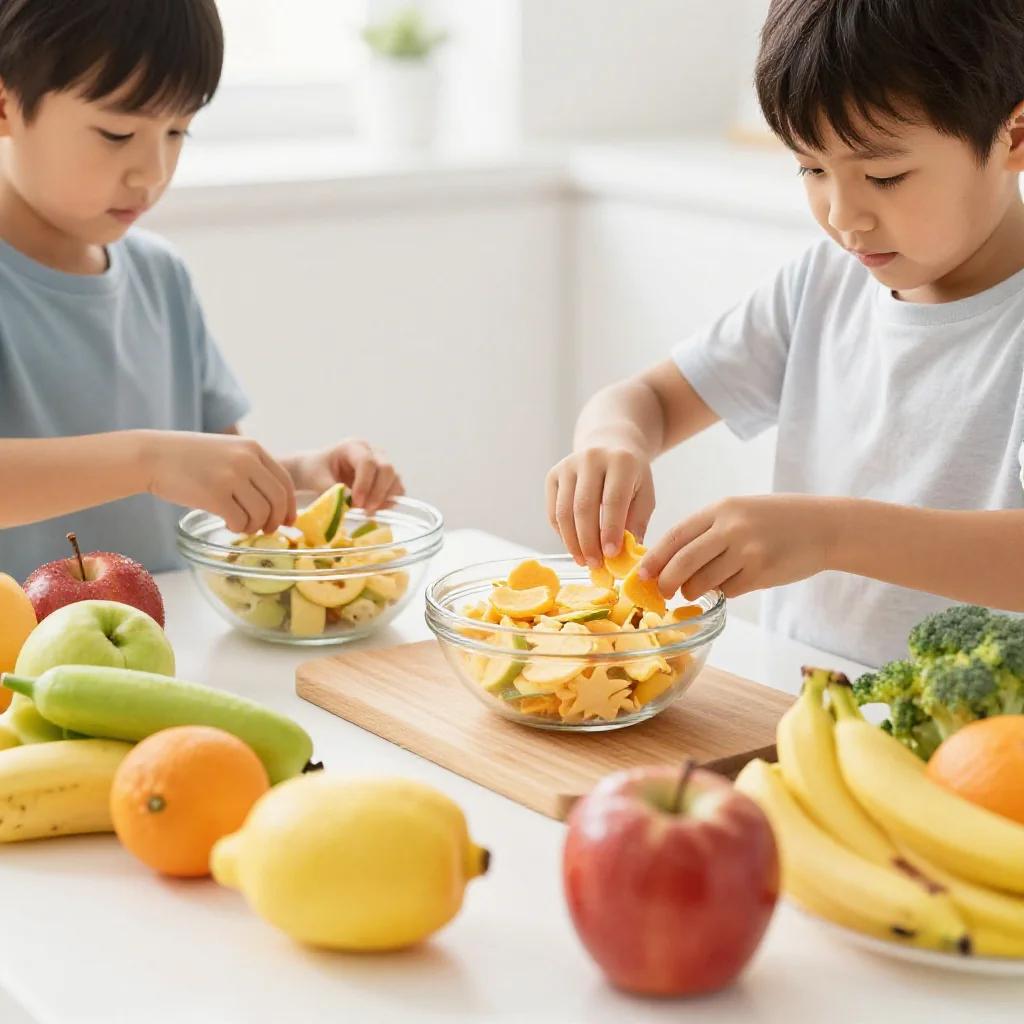
Children have unique nutritional needs that change as they grow. Understanding these needs and providing a balanced diet can help ensure proper growth, development, and long-term health.
Nutritional Needs in Different Age Groups
Children require a variety of nutrients to support their rapid growth and development. These needs differ between infancy, early childhood, and adolescence [1]. A well-balanced diet rich in fruits, vegetables, whole grains, lean proteins, and healthy fats can provide the necessary nutrients for optimal health.
Fast Food: A Convenient but Risky Choice
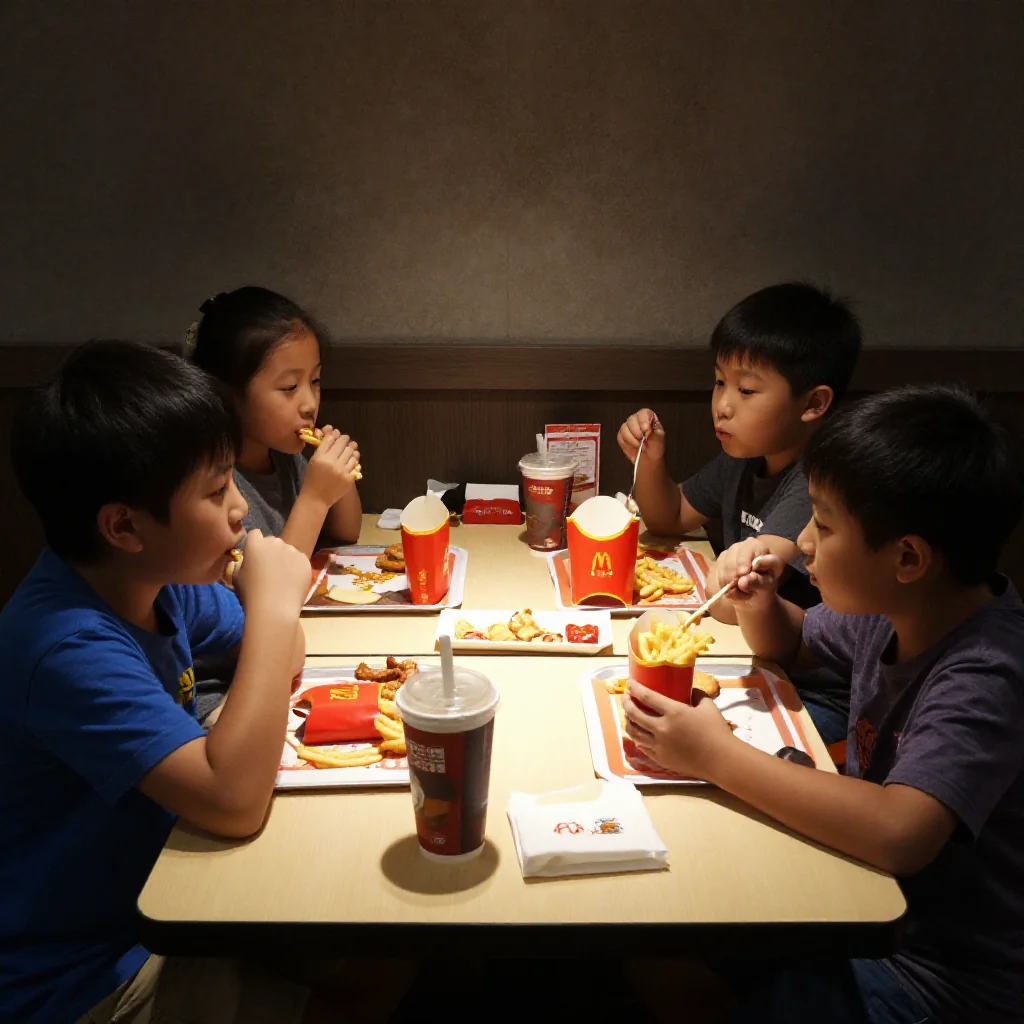
Fast food, with its high levels of sodium, sugar, and unhealthy fats, can have negative effects on children’s physical health [2].
Empty Calories and Hidden Dangers
Fast food meals often contain more calories than what children need in a single sitting. These “empty calories” provide little nutritional value and contribute to weight gain, obesity, and associated health risks.
- Increased risk of obesity
- Higher likelihood of type 2 diabetes
- Greater chances of cardiovascular disease and high blood pressure
Breaking Free from Fast Food Habits

To encourage healthier eating habits, consider these strategies:
- Plan meals ahead of time to avoid last-minute fast food decisions
- Involve kids in grocery shopping and meal preparation
Planning Meals Ahead of Time
Preparing meals in advance can help reduce the temptation to eat fast food. Consider setting aside time on weekends or evenings to plan and cook meals for the upcoming week.
Involving Kids in Grocery Shopping
When children are involved in the grocery shopping process, they become more invested in the foods they eat. This can lead to healthier food choices and a better understanding of nutrition.
Nutritious Snacks: A Healthy Alternative
Snacking can be a healthy part of a child’s diet when done correctly. Encourage the consumption of nutrient-dense foods, such as fruits, vegetables, whole grains, and lean proteins.
Fruits and Vegetables as Snacks
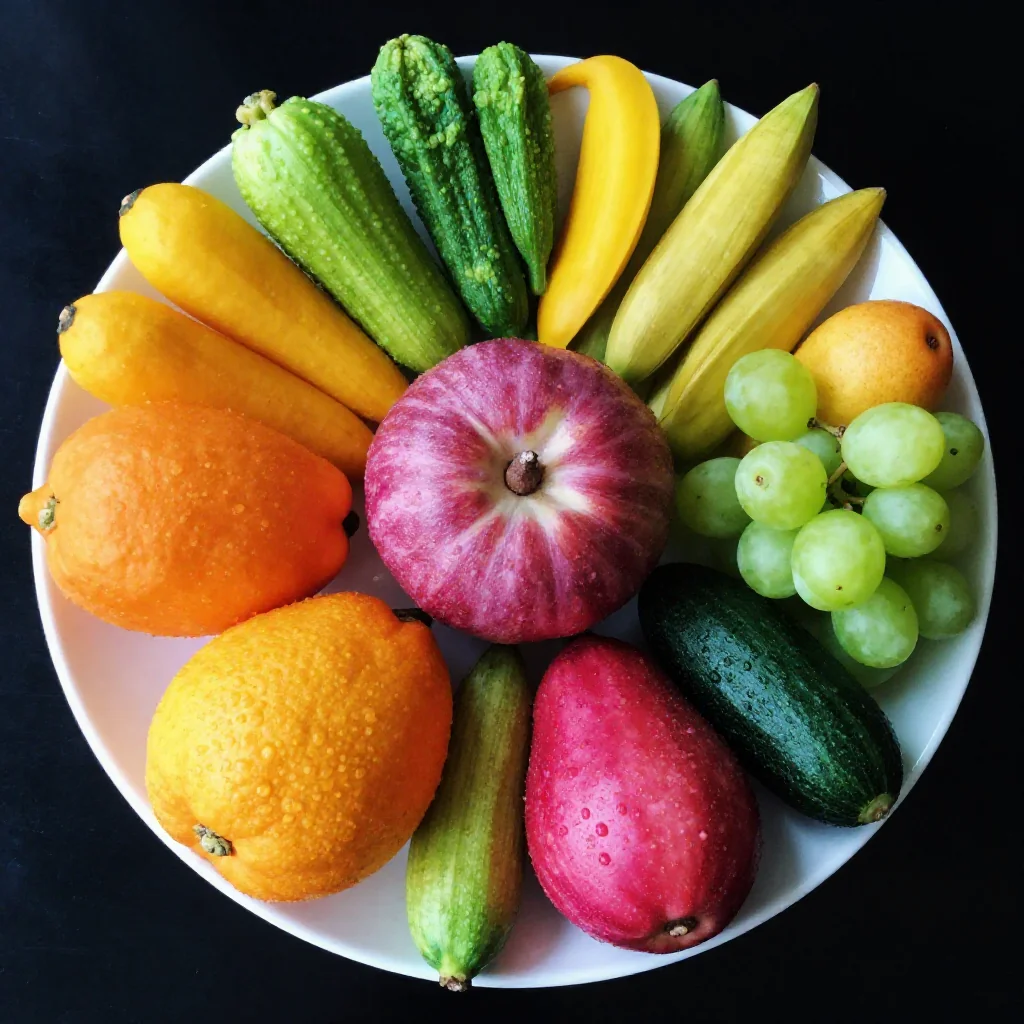
Fresh, frozen, or dried fruits and vegetables make excellent snack options. Serve them with hummus, yogurt, or nut butters to add extra protein and healthy fats.
Portion Sizes for Snacks
It’s essential to keep portion sizes in check when offering snacks. Aim for 100-200 calories per snack, depending on your child’s age and activity level.
Healthier Beverage Options
Limit sugary drinks, such as soda and fruit juice, and encourage the consumption of water, milk, or 100% fruit juice diluted with water. Offer these beverages in age-appropriate portion sizes.
The Role of Parents in Encouraging Healthy Eating
Parents play a crucial role in shaping their children’s eating habits. By setting a positive example, establishing routines and rules, and teaching kids about nutrition, parents can empower their children to make healthier choices.
Setting a Positive Example
“Do as I say, not as I do” doesn’t work when it comes to healthy eating. Children are more likely to adopt the eating habits they observe in their parents [3].
“Eat your fruits and vegetables, kids!” says mom, as she reaches for another slice of pizza.
Establishing Routines and Rules
Consistent meal and snack times, along with rules around sugary drinks and unhealthy snacks, can help children develop healthy eating habits. For example, you might consider setting a rule that sweets are only allowed after meals or on special occasions.
Teaching Kids About Nutrition
As children grow, they become more curious about the world around them. This curiosity provides an excellent opportunity to teach them about nutrition and the importance of eating a balanced diet.
Praising Healthy Choices
Positive reinforcement can go a long way in encouraging healthy eating habits. Praise your child when they make a good food choice or try something new.
Long-Term Benefits of Healthy Eating

Healthy eating habits established in childhood can lead to improved physical and mental health later in life [2].
Preventing Obesity and Chronic Diseases
A diet rich in fruits, vegetables, whole grains, lean proteins, and healthy fats can help prevent obesity and reduce the risk of chronic diseases, such as type 2 diabetes, heart disease, and certain types of cancer.
Improving Mental Health
Healthy eating has been linked to improved mental health in children [3]. A balanced diet rich in vitamins, minerals, and essential fatty acids can support brain function, improve mood, and reduce symptoms of anxiety and depression.
Conclusion: Empowering Children for a Lifetime of Healthy Eating
While it may be challenging to break free from fast food habits, the long-term benefits of healthy eating far outweigh the convenience of quick and easy meals. By working together as a family, you can empower your children to make healthier choices that will last a lifetime.
Remember to celebrate small victories along the way. Every time your child chooses an apple over chips or water over soda, they’re making progress towards a healthier future.